
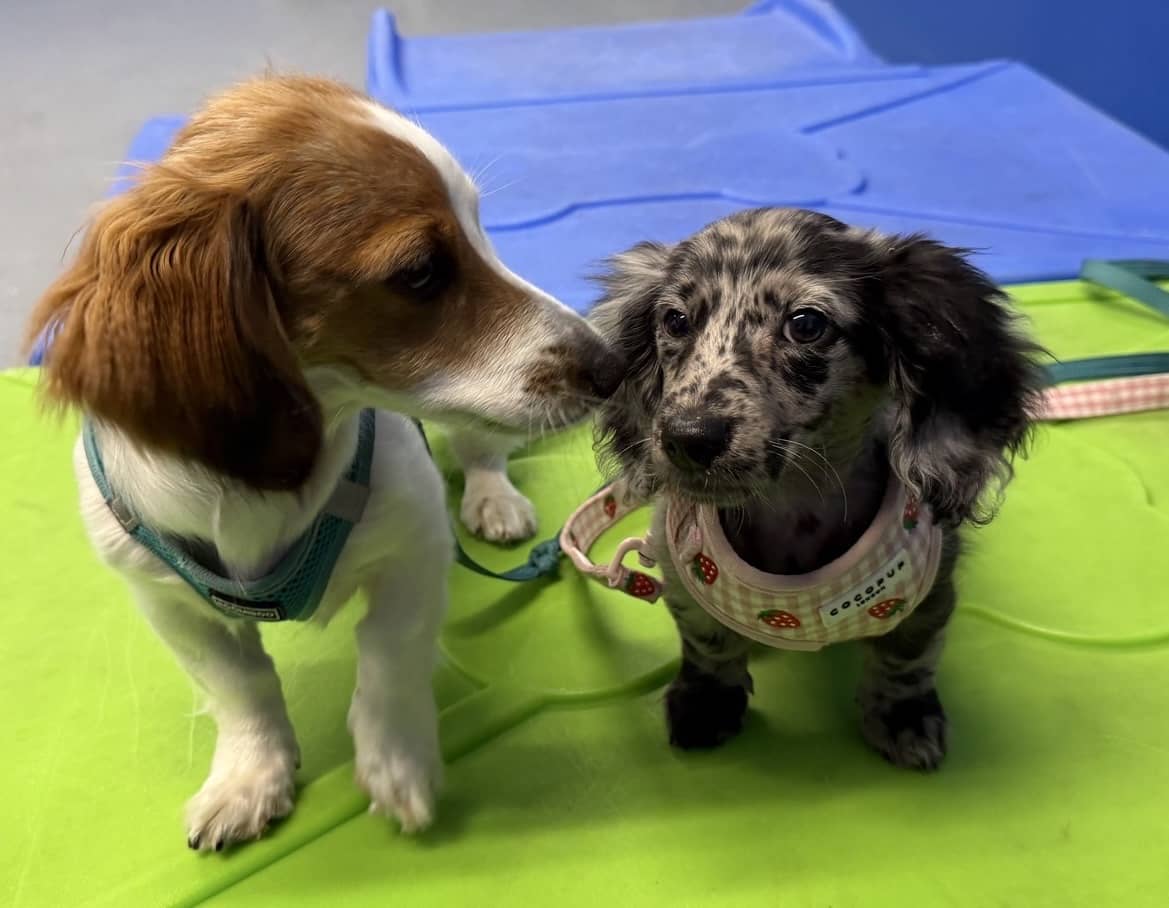
We know welcoming a new puppy is an exciting time for pet parents. At Canine Cabana, our team of caring pet care specialists and professional dog trainers is here to support you throughout your puppy’s journey.
Whether you have questions about training, socialization, potty habits, or your puppy’s well-being, we welcome you to reach out to us. We’re here to help you build a strong foundation for a happy, confident, and well-adjusted dog.
1. A Brand-New World: Helping Your Puppy Explore
Your puppy has a huge, interesting world to discover! The experiences puppies have in their first few months with you can determine how they react to new events for the rest of their life. Every interaction is an opportunity to learn, grow and acquire confidence.
Good experiences can help your puppy acquire confidence and social skills, whether he’s meeting new people or dealing with strange, social canines.
Your puppy is looking to you for the lead. Encourage exploration and stay cheerful and calm to make your dog feel safe and confident. Puppies are especially open to positive reinforcement like pleasant voice praise, cuddling, affection and treats.
Never force your dog into anything. Rather, encourage them gently and let them develop at their own pace.
Foundational Behaviors to Encourage

Keep your puppy’s kibble or favorite treats nearby and reward these important behaviors:
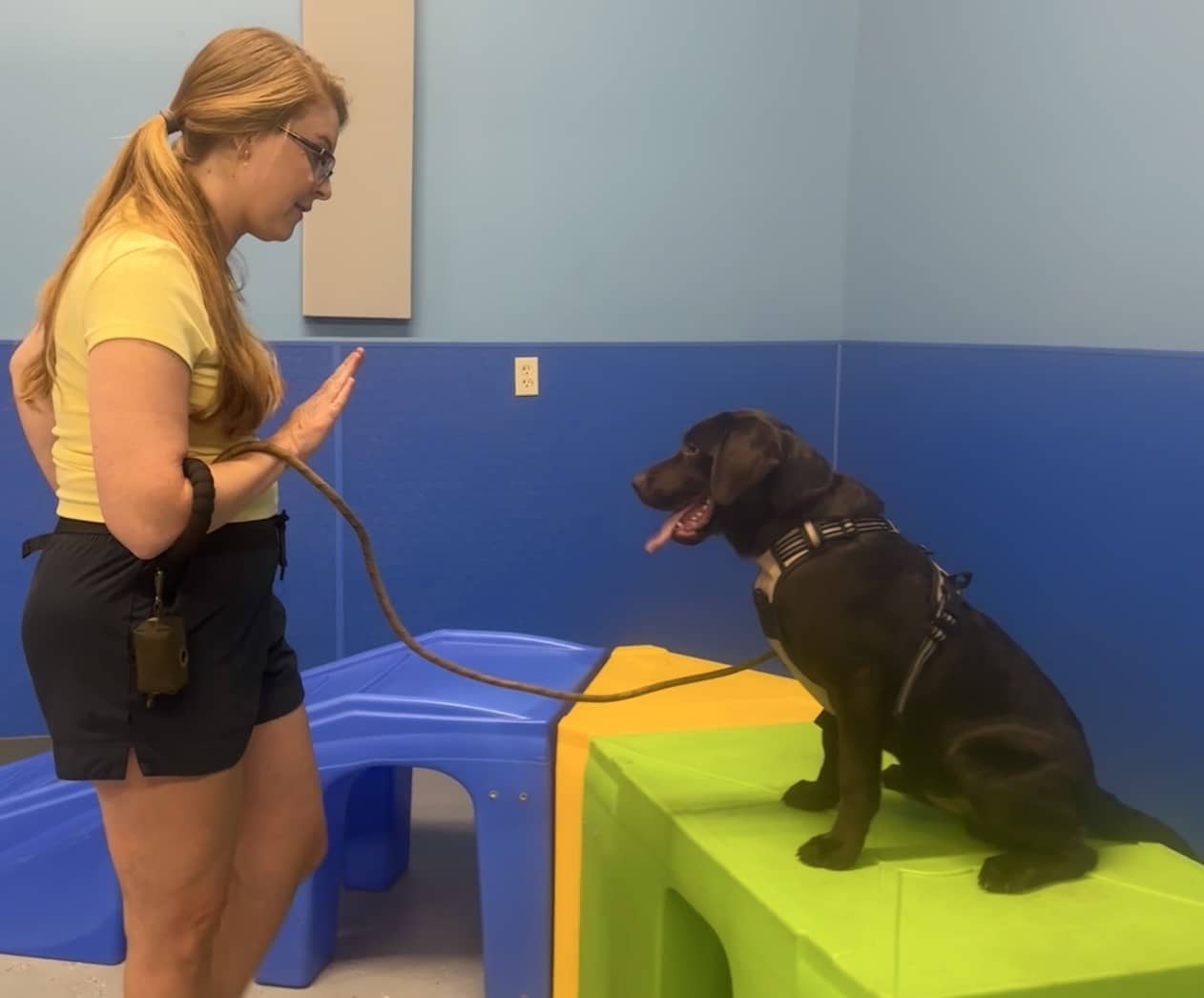
- Eye Contact: Whether your puppy is responding to their name or looking up at you for guidance, rewarding eye contact teaches them to check in with you.
- Relaxation and Settling: Puppies often alternate between energetic play and periods of sleep or relaxation. Rewarding calm, independent behavior teaches your puppy that they can spend time away from you and remain relaxed.
These simple habits can help establish a strong foundation for future training.
2. Crate Training: Creating a Safe and Comfortable Space
Puppies need plenty of rest to support their growth and behavioral development. In fact, puppies may sleep close to 18 hours a day!
Make Rest a Positive Experience
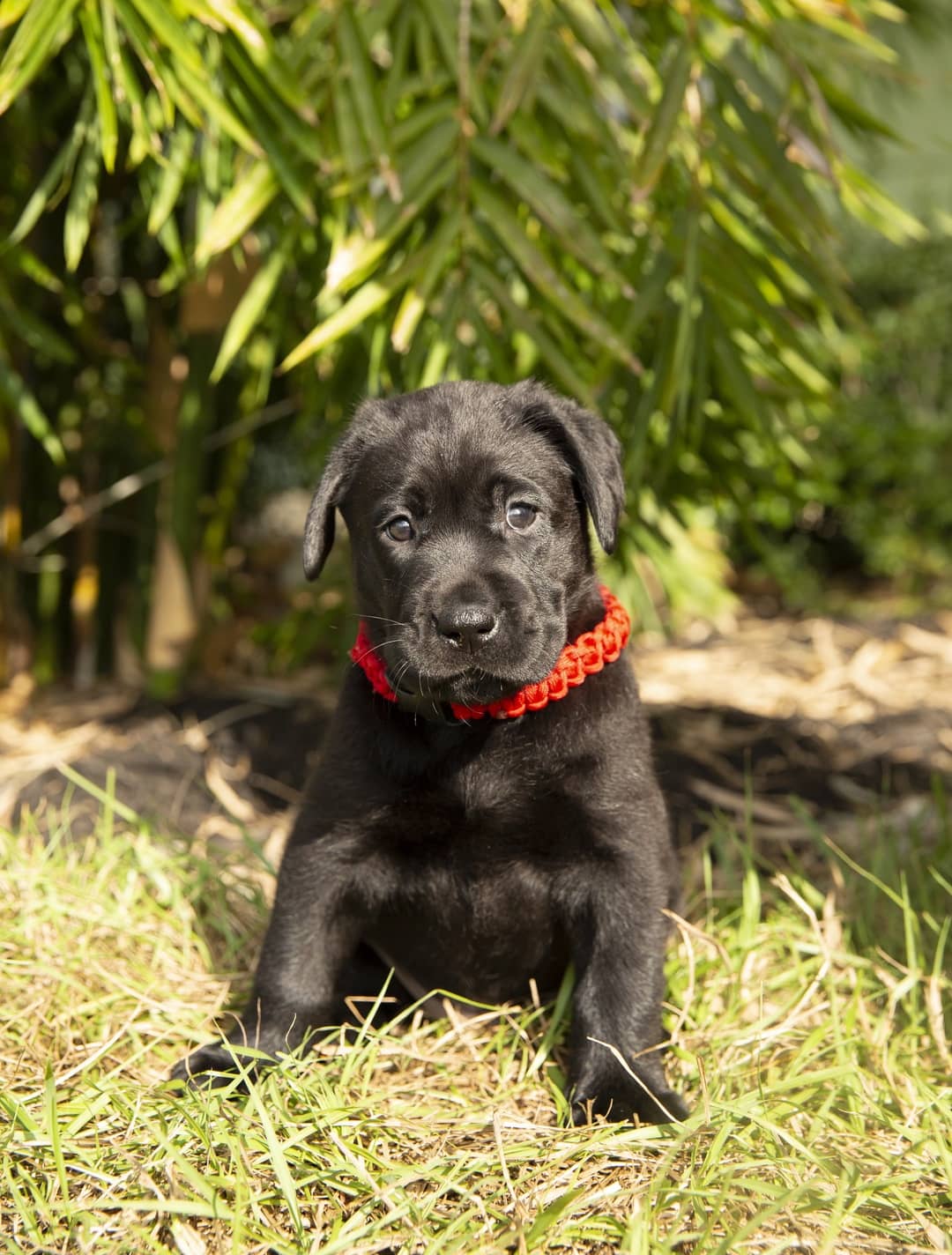
Make sure you give your dog breaks during the day. You can also try covering part of the crate with a blanket to help them settle down for a sleep. Planned breaks can also help prevent your puppy from chewing or eating improper things when you are busy or not around.
Take the crate out at various times during the day for short periods, making it a rewarding place to be. Give meals, use food-dispensing toys or even ice cubes as appropriate to help your puppy build positive associations with the crate.
Remember: The crate should be a safe, positive space, not a timeout area.
Choose the Right Crate Setup
A box big enough for your puppy to lie down in comfortably, but not too big. Dogs typically do not utilize the place they sleep and too much excess space might provide them the option of using one spot for the bathroom and another to sleep.
If your puppy is having accidents in his crate try removing bedding, blankets or potty pads for a while. Some pups learn to excrete on soft surfaces, and this might cause problems with house training.
3. Potty Training: Supervision and Consistency Are Key
Potty training can be challenging at first, but the basics are simple – monitoring and consistency.
If your dog is outside its crate, supervise closely. You can use a leash to keep your puppy with you as you do things around the house. If you can’t watch them, put them in a crate for an appropriate period of time.
How Long Can Your Puppy Hold Their Bladder?
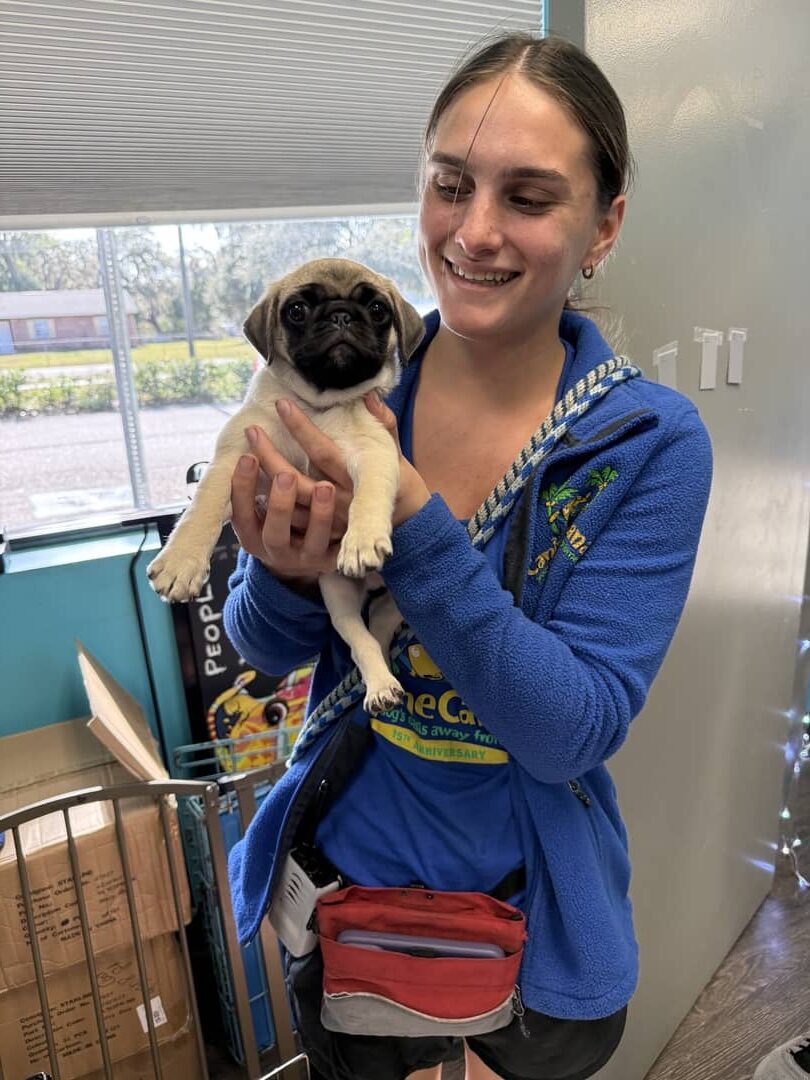
A general guideline is that a puppy may be able to hold their bladder for approximately their age in months plus one hour.
For example:
- 3-month-old puppy: Approximately 4 hours
- 4-month-old puppy: Approximately 5 hours
Keep in mind that this is only a guideline, not a guarantee. Puppies vary, and younger puppies often need more frequent potty breaks, especially after waking up, eating, drinking, and playing. Avoid expecting your puppy to wait longer than they comfortably can.
With patience, a consistent routine, and close supervision, you can help your puppy develop good potty habits.
4. Bite Inhibition: Teaching Gentle Mouth Behavior
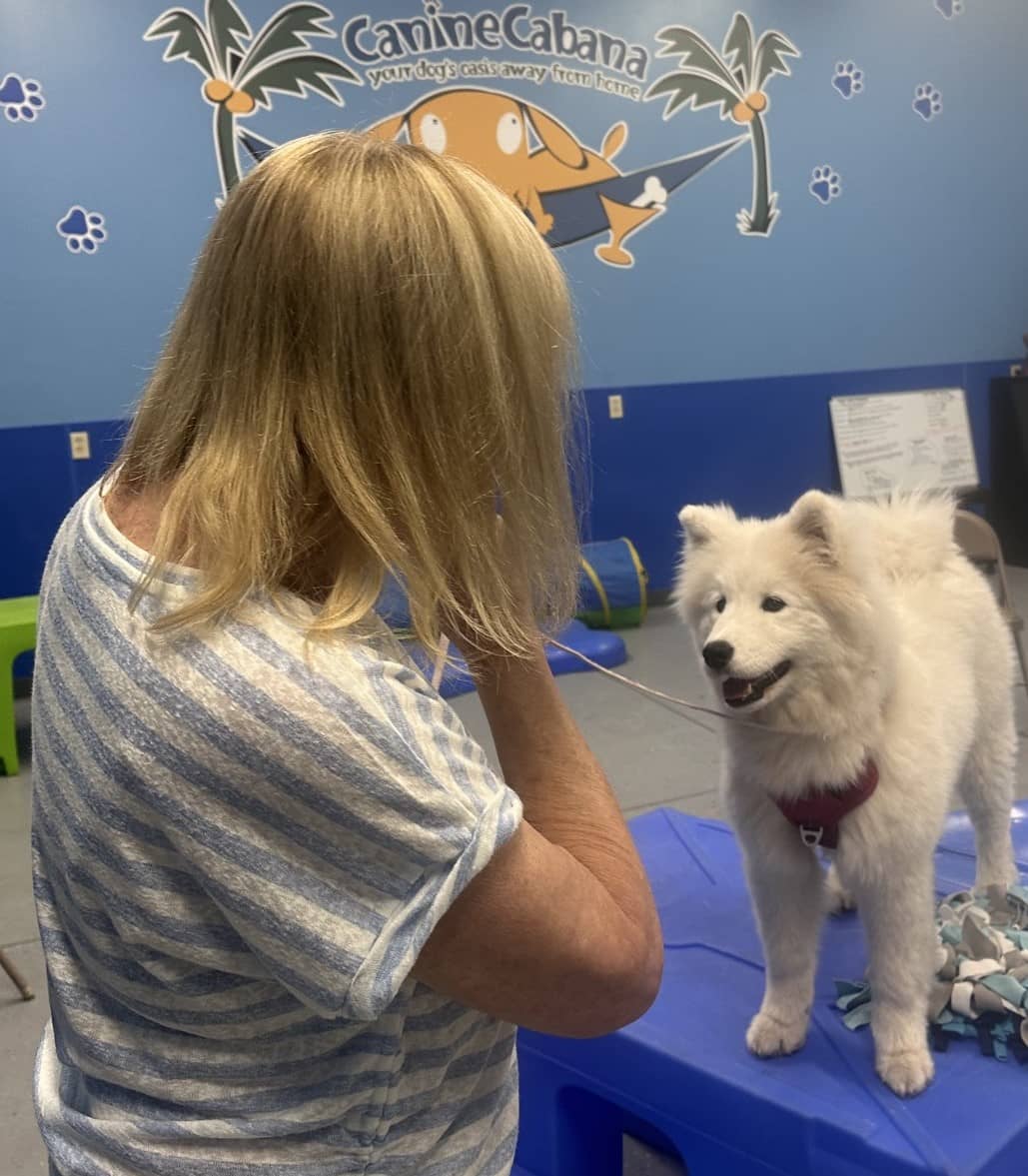
Puppies naturally explore the world with their mouths. During teething, they may chew and nip more frequently. Puppies generally begin losing their baby teeth at around four months of age.
One important step is to redirect biting toward appropriate toys rather than your hands or the hands of family members. Consistency helps your puppy learn what is acceptable and reduces the likelihood of this behavior continuing into adulthood.
Puppies also learn bite inhibition through interactions with their mother and littermates. If you have concerns about the intensity or frequency of your puppy’s biting, please contact Canine Cabana for guidance.
5. Health and Wellness: Keeping Your Puppy Safe
The health and safety of your dog are our highest considerations. We are excited to meet your new family member, however we ask that your puppy spend a minimum of two weeks in your house before visiting us.
This allows your puppy time to adjust to its new home, bond with your family and have its first vet appointment.
Making the First Veterinary Visit Positive
Your puppy’s first appointment to the vet is an opportunity to develop favorable connections with future visits. Some puppies find the handling they need to go through during inspections and receiving immunizations overwhelming.
become there a little early so your puppy has time to explore the surrounding area and become used to strange smells, sounds and things.
Your new puppy shouldn’t meet other dogs at the veterinarian’s office because veterinary visits can be stressful.
Important Veterinary Wellness Checks and Vaccinations
Work with your veterinarian to establish an appropriate preventive care schedule for your puppy. Important health checks and vaccinations may include:
- Wellness Examination: A routine examination by your local veterinarian to assess your puppy’s overall health.
- Annual Fecal Check: A negative fecal test helps screen for intestinal parasites.
- Bordetella Vaccination: This helps protect against Bordetella, commonly associated with canine cough. It may not be included in your puppy’s routine vaccination schedule, so check with your veterinarian.
- Distemper/Parvovirus Vaccination (DAPP/DHP): Puppies may not have completed their full vaccination series when they join your family. Depending on their age and vaccination history, they may need additional doses. Your veterinarian can advise you on the appropriate schedule.
- Rabies Vaccination: Follow your veterinarian’s recommendations and local requirements for rabies vaccination timing.
Keeping your puppy’s vaccinations and wellness checks up to date helps protect their health as they grow and prepare to socialize safely.
6. Start Your Puppy’s Journey with Canine Cabana

Your puppy’s mind, body, and senses are all developing rapidly during those first few months. You can foster your puppy’s development into an independent and contented adult with the help of positive reinforcement, regular routines, enough rest, and good vet care.
If you or a loved one is experiencing the ups and downs of puppyhood, the compassionate pet care experts and dog trainers at Canine Cabana are here to help. Contact our team at any point in the process if you have any inquiries or complaints.
We look forward to being part of your puppy’s journey!